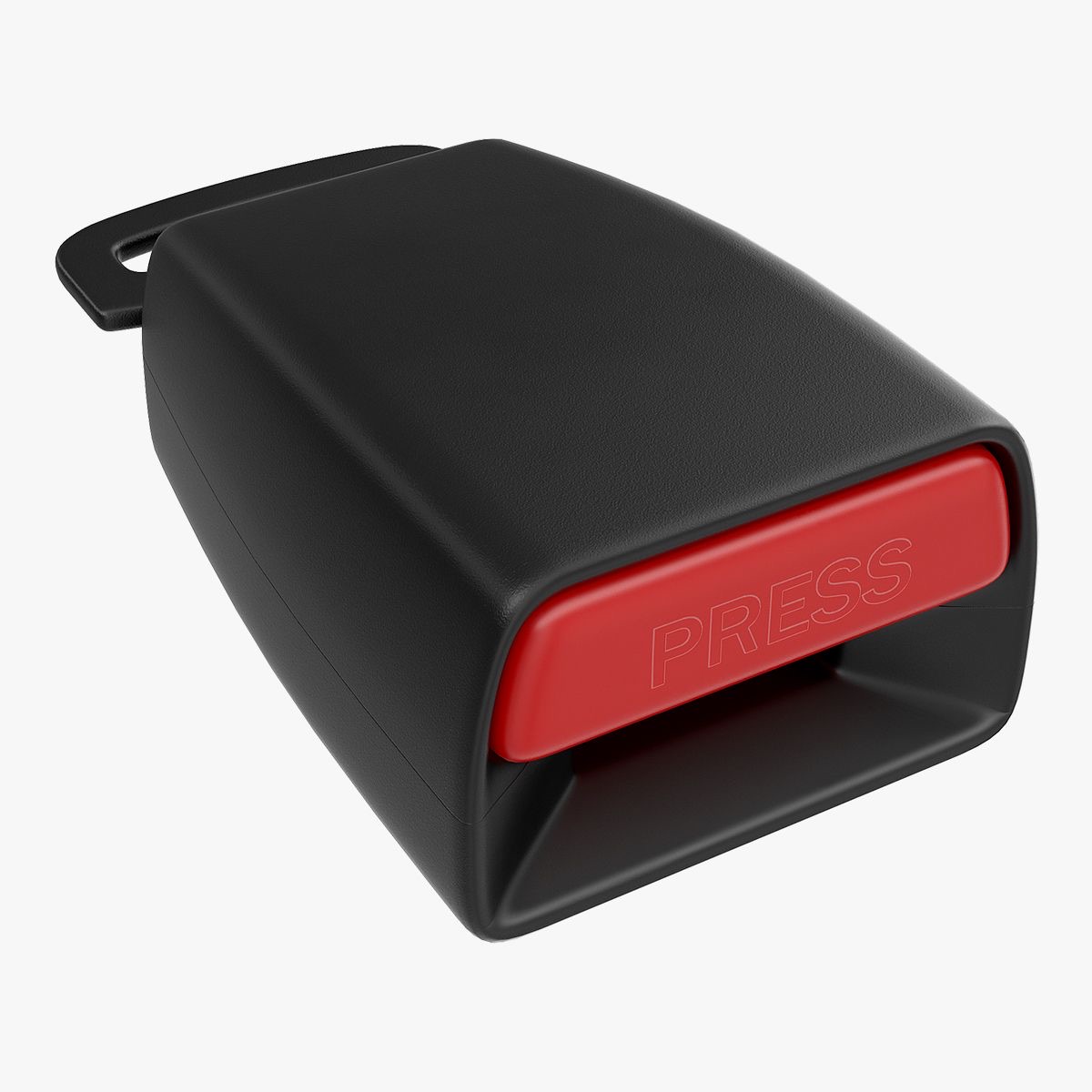
The restraint as a whole
Start with what the belt does in the vehicle: which seating position it serves, and whether the requirement concerns the complete restraint or a single element of it. This one sentence removes most early ambiguity.
A professional B2B destination for exploring automotive seatbelt requirements, applications and vendor enquiries — laid out like a component reference rather than a catalogue, so a requirement can be described once and described properly.
A seatbelt is rarely a single object in a sourcing conversation. It is a small system of parts, positions and conditions — and a requirement becomes far easier to answer once it is described in those terms. Six zones cover almost everything a vendor needs to hear.
Start with what the belt does in the vehicle: which seating position it serves, and whether the requirement concerns the complete restraint or a single element of it. This one sentence removes most early ambiguity.
The woven strap itself. Colour, width and the way the strap is routed through the cabin all vary between vehicles, and photographs of the strap in position usually communicate this faster than words.
Buckles, tongues, latch plates, anchor points, guides and covers. These are the parts most often described loosely, and the parts most worth photographing from more than one angle.
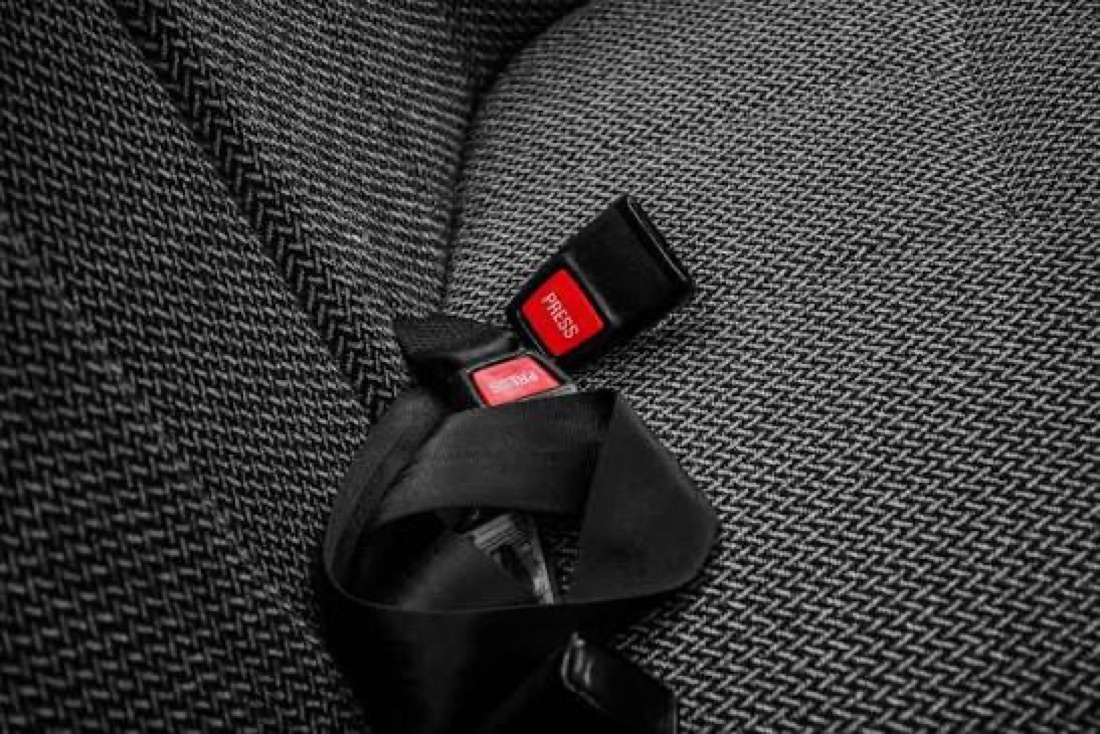
Where the belt meets the vehicle, and where the tongue meets the buckle. Mounting arrangements differ widely, so the way a part attaches is often the detail that separates two otherwise similar requirements.
A passenger car, a commercial vehicle, a fleet programme and a workshop repair all generate different conversations. Naming the context early shapes everything that follows.
Quantity, destination, timing and whether this is a one-off need or a repeating one. These are commercial facts rather than technical ones, and they matter just as much to a useful reply.
You do not need every zone answered before making contact. Zones 01, 05 and 06 — what the part is, where it goes and how many are needed — are enough to begin. The remaining detail can be filled in during the conversation, and the vendor process page walks through it stage by stage.
Most enquiries fall into one of a small number of shapes. Identifying which one applies to you makes the first message shorter and the first reply more useful.
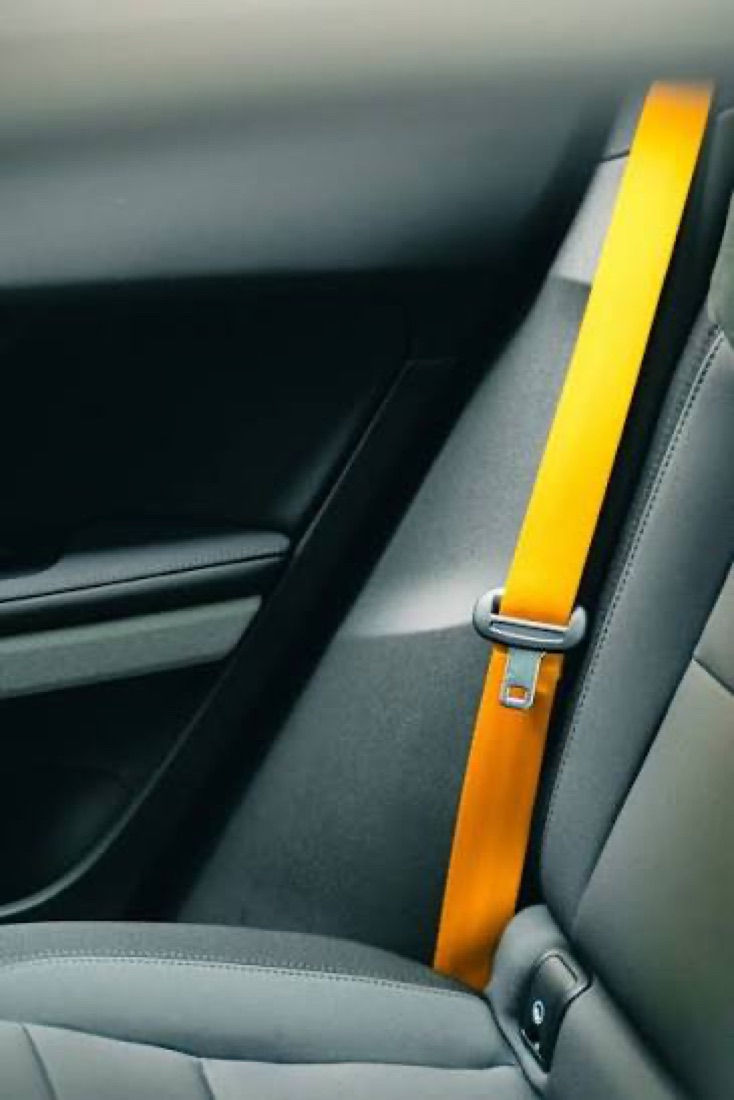
Colour, routing and the way a belt sits in the cabin are identifying features in their own right — and they are visible in a photograph long before they can be put into words.
Enquiries for a seatbelt as a complete item for a stated seating position, described by vehicle and by where it sits in the cabin.
Products — area ARequirements where the belt, its hardware and its mounting elements are treated together as one supplied unit rather than as separate pieces.
Products — area BEnquiries centred on one element — a buckle, a tongue, a fitting or a cover — rather than on the restraint as a whole.
Identification guideRequirements defined by the situation — a fleet standardising, a workshop replacing, a business buying repeatedly for the same duty.
Application matrixCategories describe the shape of an enquiry, not a stock listing. Availability of any specific item is confirmed in conversation.
A vendor enquiry works best when it arrives already structured. Six short stages take a vague need — “I need a seatbelt” — and turn it into something that can be answered accurately the first time, without a chain of clarifying messages.
Establish what the part is and which seating position it belongs to.
Put the physical characteristics into plain, unambiguous language.
Add photographs and any markings already present on the part.
State how many, how often, and where the goods need to reach.
Resolve open questions before they become assumptions.
Send it as one complete message rather than several partial ones.
Ranking is qualitative and reflects how often each source settles a question in practice. It is not a measured statistic.
Seatbelt requirements are unusually easy to describe badly. Two parts that look alike in a single photograph can differ in the way they mount, the way they route through the cabin, or the position they were made to serve. Most delays in a sourcing conversation come from that gap, not from the sourcing itself.
The fastest correction is almost always physical evidence rather than prose. A marking already present on the part, and a handful of well-taken photographs, usually settle questions that several paragraphs of description cannot.
The site is written for commercial buyers rather than casual browsers. Each of these groups arrives with a different kind of question, and the applications page goes into each one in detail.
Usually working from a vehicle that is physically present, with the part in hand and a customer waiting. Photographs are easy to supply and speed things up considerably.
Buying against a known vehicle mix, often repeatedly. Consistency between orders and clarity about quantity tend to matter more than one-off speed.
Purchasing to resell, so destination, quantity bands and the ability to repeat an order accurately are usually central to the conversation.
Body shops, refurbishers, upfitters and similar operations with recurring component needs across a range of vehicles and duties.
Send the vehicle or application, what the part is, how many you need and where it has to reach. If you can add photographs, add them — they usually answer more than the text does.