Product reference
A closer look at the component.
Four product areas, described so that a requirement can be stated precisely. A reference for describing what you need — not a stock list and not a specification sheet.
- Areas
- Seatbelts, assemblies, components, replacement
- Format
- Description guidance, not specifications
- Use
- Prepare an enquiry that can be answered first time
Four product areas, one common structure
This page describes the kinds of automotive seatbelt and restraint items that enquiries to seatbeltvendor.com generally concern. It is written as a reference for describing a requirement — not as a stock list, and not as a specification sheet.
That distinction matters. A seatbelt is a safety-critical assembly, and the correct item for a given vehicle and seating position is determined by the vehicle itself, not by a resemblance in a photograph. What this page can do is give you the vocabulary and the structure to describe what you need precisely, so the conversation that follows is short and accurate.
No technical specifications, dimensions, load ratings, standards or certifications are published on this site. Any such figures would have to come from the actual item and its documentation, and inventing them would be worse than useless in a safety-related purchase.
Where a requirement depends on a specification, that specification is confirmed directly in the enquiry conversation.
Four product areas, each with the same four questions answered: what it is, where it is typically used, what helps identify it, and what a buyer should communicate.
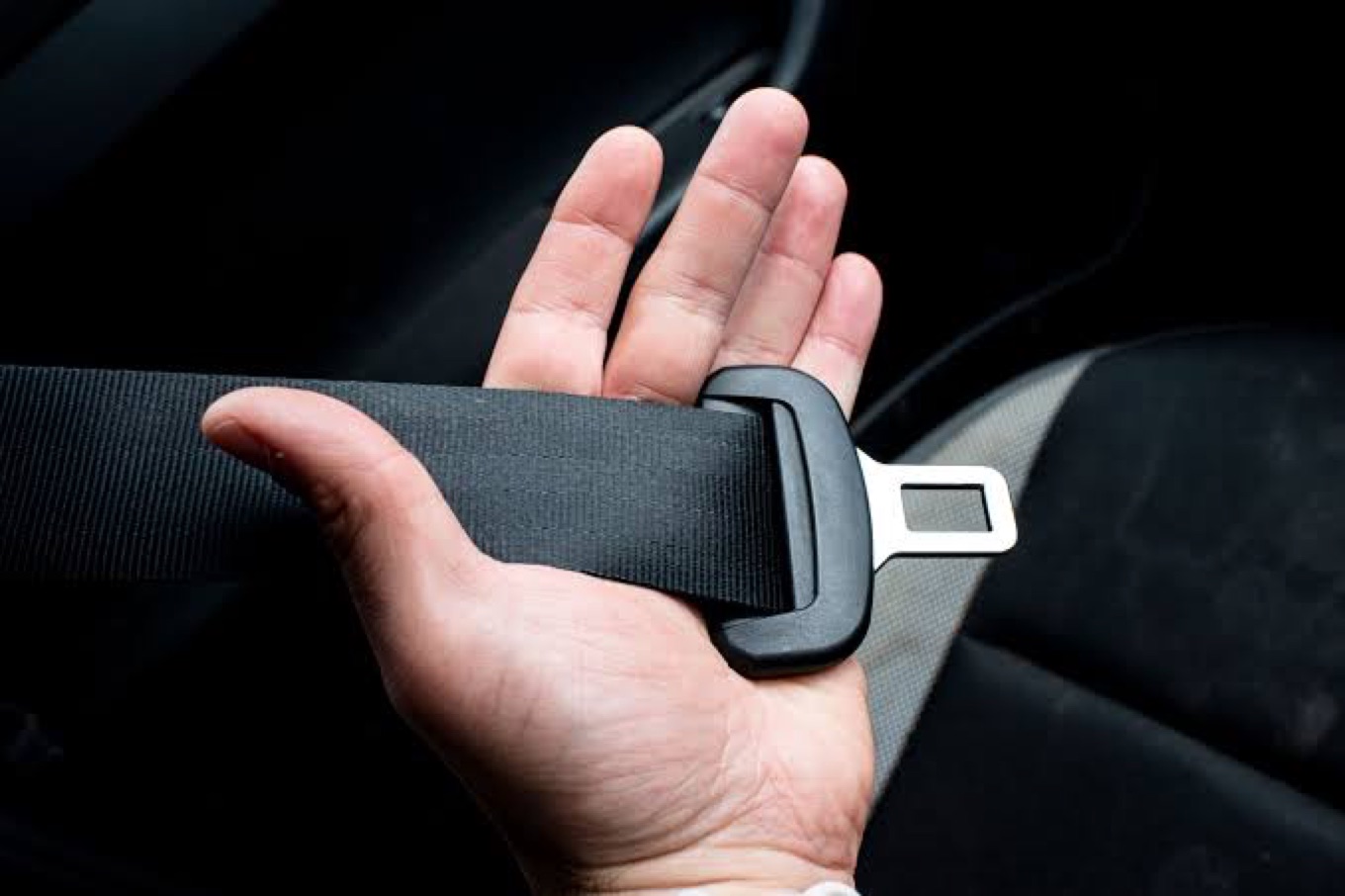
Automotive seatbelts
The restraint treated as a complete item for a stated seating position. This is the most common shape of enquiry, and usually the easiest to answer, because it starts from the vehicle rather than from the part.
- What it is
- A seatbelt supplied as a whole for a defined position in the cabin, comprising the webbing and the hardware that allows it to be secured and released.
- Where it is used
- Passenger vehicles, commercial vehicles and fleet vehicles, in front and rear seating positions. The position within the cabin is part of the requirement, not an afterthought.
- What helps identify it
- The vehicle it is intended for, the seating position, photographs of the belt in place, and any reference already present on the existing item.
- What to communicate
- Vehicle and application, seating position, quantity, destination, and whether this is a single need or a repeating one.
Position
Driver, front passenger, rear outboard, rear centre — name it explicitly rather than implying it.
Whole or part
Say whether you need the complete restraint or one element within it. These are different conversations.
Condition
Is this a replacement for an existing item, a spare held in advance, or a first fitment for a build?
Volume
One unit, a matched set, or a standing requirement across a fleet or a season.
Seatbelt assemblies
Where the belt and its associated hardware are treated as one supplied unit rather than as separate items. Buyers reach for this framing when they want the parts to arrive as a matched set, and when the way the unit mounts is as important as the belt itself.
- What it is
- A restraint supplied as an assembled unit, with its hardware and mounting elements considered together as a single item.
- Where it is used
- Replacement work where a complete unit is preferred to piecemeal parts, and in commercial or fleet contexts where consistency between units matters.
- What helps identify it
- Photographs of the mounting points, the routing of the belt through the cabin, and the way the assembly attaches to the vehicle structure or the seat.
- What to communicate
- The vehicle, the position, how the existing unit is mounted, and whether the replacement must match the existing arrangement exactly.
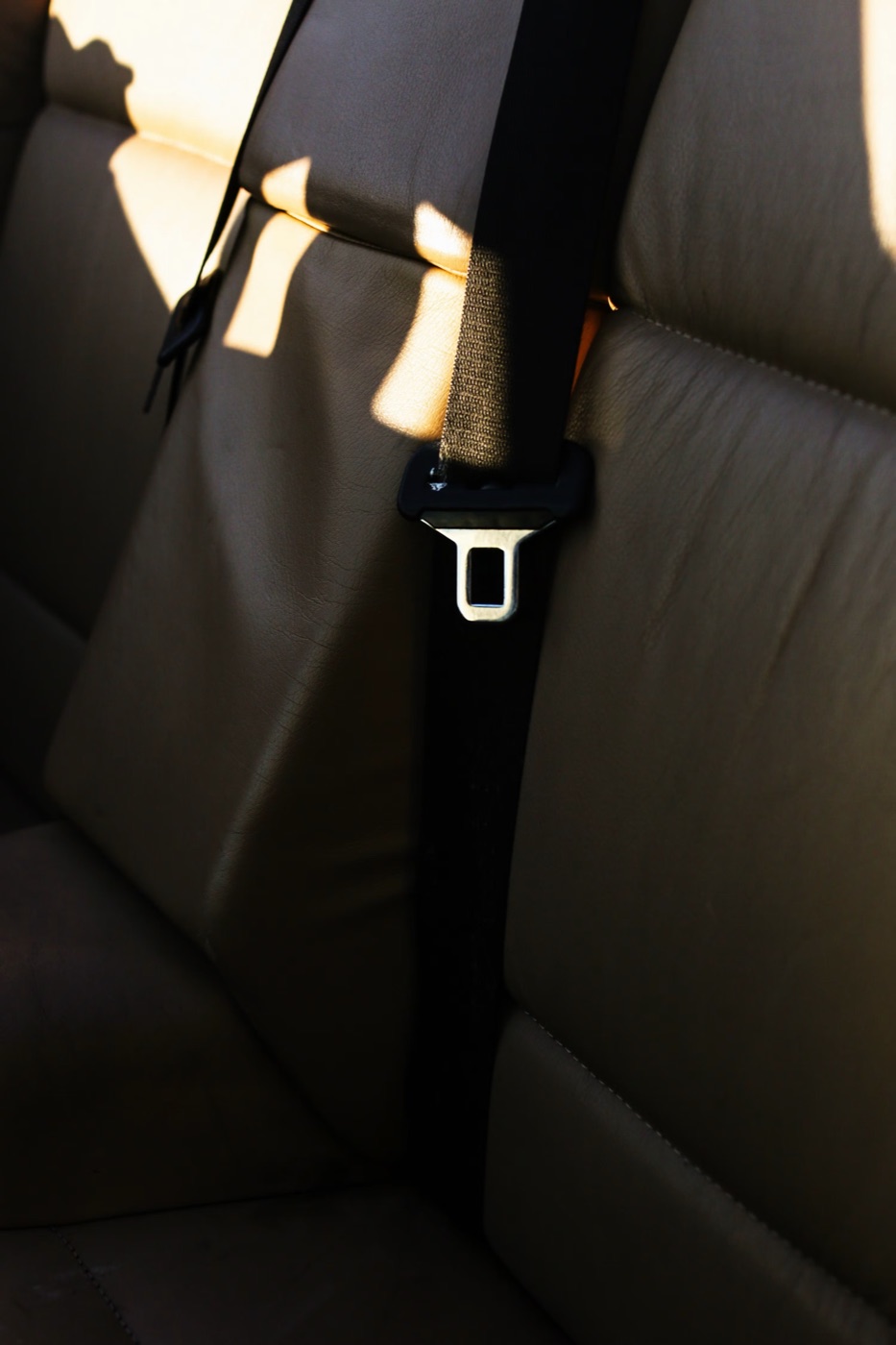
Four frames around one part. Markings hide on the faces that people forget to photograph.
Seatbelt components
Enquiries built around a single element — a buckle, a tongue or latch plate, a fitting, a guide or a cover. These are the requirements most sensitive to description quality, because a small difference in shape or attachment changes the answer entirely.
- What it is
- An individual part within a restraint rather than the restraint as a whole.
- Where it is used
- Repair and refurbishment work, and situations where only one element of an otherwise serviceable restraint is the subject of the requirement.
- What helps identify it
- Photographs from several angles — face on, edge on, and the side that attaches. Any moulded, stamped or printed marking on the part is often decisive.
- What to communicate
- What the part connects to on either side, the vehicle it came from, and whether an exact match or a functional equivalent is acceptable to you.
Place the part on a plain, contrasting surface in daylight and fill the frame. A single sharp photograph taken this way communicates more than several taken inside a dim cabin.
Replacement and application-specific requirements
Some requirements are defined less by the part and more by the circumstance around it — a workshop replacing an item on a vehicle that is on the ramp today, or a business that needs the same thing again next quarter. These deserve their own framing.
Replacement requirements
Driven by an existing item that needs to be matched. The strongest input here is the old part itself: photographed in place, photographed removed, and photographed on any face carrying a marking.
Repeat and standing needs
Driven by a pattern rather than a single event. Describing the pattern — how many, how often, across which vehicles — lets a vendor conversation be set up once instead of restarted each time.
Application-led needs
Driven by duty and setting rather than by a specific vehicle. The vehicle applications page sets out how each context changes the requirement.
What this page deliberately does not claim
Being explicit about the limits of the information here is part of taking a safety-related component seriously.
No fitment guarantees
Nothing on this site should be read as confirming that a given item fits a given vehicle. Fitment is established against the actual vehicle and the actual part, in conversation.
No published specifications
Dimensions, materials, ratings, standards and approvals are not listed here because publishing figures that have not been verified against a real item would be misleading.
No stock or lead-time promises
Availability, quantities and timing are commercial facts that change. They are confirmed in the enquiry, not asserted in advance on a web page.
No repair instructions
This site does not provide procedures for repairing, modifying, bypassing or disabling a restraint system. Work on safety systems belongs with qualified people and correct parts.
Ready to describe a requirement?
Use the enquiry form, or send the same details by email or phone. The vendor process page lists exactly what to include.